Planning · 8 min read
The Thanksgiving Cooking Game Plan: What to Make, When to Start & How Much You Need
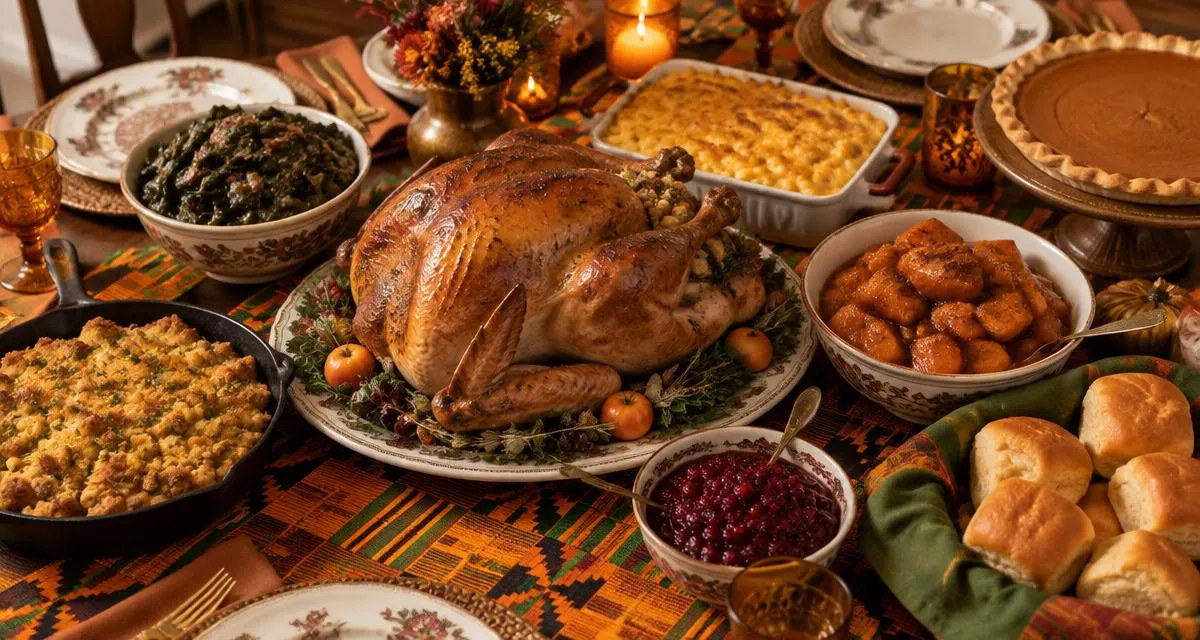
Thanksgiving is more than the turkey. It's the dressing somebody's aunt is known for, the macaroni and cheese that has to be baked just right, and a pot of greens that started cooking before most of the house was awake.
In many kitchens, the meal is a dozen dishes competing for one oven, a couple of burners and a cook's attention, all while family comes through the door. The food everyone remembers doesn't happen by accident. It happens because someone had a plan.
Every family does Thanksgiving its own way. Some tables center on turkey and dressing, others add ham, chitlins, oxtails or seafood, and plenty of families fold in dishes from wherever their people came from. Use this guide as a framework, then make it yours. A good plan doesn't take the joy out of the day. It gives you room to enjoy it.
1. Start with your guest count and your menu
Before you shop or set a single timer, write down two things: how many people are coming and what they expect to see on the table. Count big eaters and little ones honestly, and decide whether you want leftovers for plates to go. That one decision can change your shopping list more than anything else.
Next, list the non-negotiables, the dishes your family would notice missing. For many households that includes the turkey, cornbread dressing, baked macaroni and cheese, collard greens, candied sweet potatoes, cranberry sauce, rolls and sweet potato pie. Then decide what you'll cook and what you'll happily accept when a cousin offers to bring something.
Once you know your crowd and your dishes, Build My Soul Food Feast can estimate how much of each dish to make for your guest count and put together a shopping list you can print or carry to the store.
2. Work backward from dinner time
Pick the time you want to sit down to eat, then plan backward from it. The longest task, usually the turkey, sets the shape of the whole day. Everything else fits around it.
Turkey timing depends on the bird's weight, whether it's stuffed and whether it's fully thawed. The Turkey Cooking Time Calculator gives you an estimated roasting range and helps you choose a start time that leaves room for resting and carving.
Treat any roasting estimate as a planning tool, not a finish line. Ovens and birds vary. The turkey is done when a food thermometer reads 165°F (74°C) in the thickest part of the breast, the innermost part of the thigh and the innermost part of the wing. If you stuff the bird, the center of the stuffing must also reach 165°F. For more even cooking, USDA recommends baking dressing in its own pan, which many families already do.
3. What to prepare several days ahead
The calmest Thanksgiving cooks get a head start. In the days before, focus on tasks that don't involve keeping cooked food around for too long:
- Shop early for shelf-stable ingredients: flour, sugar, spices, evaporated milk, canned goods, cornmeal and anything you only buy once a year.
- Check your pantry and equipment. Make sure you have enough roasting pans, foil, baking dishes and a working food thermometer.
- Plan your thaw. A frozen turkey thaws safely in the refrigerator, allowing roughly 24 hours for every 4 to 5 pounds. A 20-pound bird can need four to five days, so count backward and move it from freezer to fridge in time.
- Bake the cornbread for your dressing ahead of time, or prepare desserts that hold well, if the recipe you're using supports it.
- Pull out serving dishes and label each one with what goes in it. It saves a scramble when everything comes out of the oven at once.
Not every prepared dish keeps for the same number of days. Follow each recipe's storage guidance, keep perishable food in a refrigerator at 40°F or below, and when in doubt, make it closer to the day.
4. What to prepare the day before
The day before is for getting ingredients ready, which isn't the same as fully cooking every dish. Good day-before work includes:
- Washing and stemming greens, then storing them in the refrigerator.
- Chopping onions, celery and bell pepper for the dressing.
- Grating cheese and measuring dry ingredients for the macaroni and cheese and any baking.
- Peeling and slicing sweet potatoes and keeping them refrigerated.
- Making pie crust or a dessert that holds well overnight.
- Setting the table and clearing counter space.
Keep prepped ingredients and anything you cook covered and refrigerated, not sitting out on the counter. Bacteria grow fastest between 40°F and 140°F, so don't let perishable food linger at room temperature.
5. Thanksgiving Day: a flexible cooking timeline
Here's what a day might look like for a 4:00 PM dinner. It's an illustration, not a universal timetable. Your turkey's real start time depends on its weight, whether it's stuffed, whether it's fully thawed and what your thermometer tells you, so adjust every step to your own menu and recipes.
| When | What's happening |
|---|---|
| Morning | Check that the turkey is fully thawed. Use the Turkey Cooking Time Calculator to confirm your start time, then preheat the oven. |
| Turkey goes in | Roast according to your estimate. Start greens or other long-simmering stovetop dishes so they can cook low and slow. |
| Midday | Assemble the dressing, macaroni and cheese and sweet potatoes so they're ready to bake once oven space opens up. |
| Toward the end of the estimate | Start checking the turkey's temperature in several places before the estimated time is up. |
| Turkey reaches 165°F | Take it out, tent loosely with foil and let it rest about 20 minutes before carving. Bake the casseroles while it rests. |
| Final 30 minutes | Warm the rolls, make the gravy, finish the greens and reheat anything made ahead until hot. |
| 4:00 PM | Carve, set everything out and call the family to the table. |
If the turkey reaches temperature early, that's good news. It holds while resting, and you gain oven time. If it's running behind, let the thermometer decide, not the clock, and move a side dish to the stovetop to keep things moving.
6. Plan around your oven and stovetop
Most home kitchens have one oven, and that's the real bottleneck. A few habits make it work:
- Group dishes by temperature. Dishes baked at similar temperatures can share the oven after the turkey comes out.
- Lean on the stovetop. Greens, gravy, cranberry sauce and many vegetables cook beautifully on a burner, freeing the oven for what truly needs it.
- Use the turkey's resting time. Those 20 minutes or so are often the best window for baking a casserole.
- Borrow other heat. A slow cooker can keep greens or sauces warm, and a countertop oven can handle rolls.
- Reheat thoroughly. Anything cooked ahead should be reheated until it reaches 165°F, not just warmed through.
7. How much food is enough?
There's no single right amount. Portions shrink as the menu grows, since a plate with eight sides takes a spoonful of each, and they grow when you want generous leftovers. Teenagers, long-awaited family visits and second helpings all count too.
For a menu-specific estimate, Build My Soul Food Feast scales each dish to your guest count. If you want rules of thumb, How Much Food Do I Need for 20 People? walks through side dish portions for a crowd, and How Much Meat Do You Need Per Person? covers turkey, ham and other mains, including why bone-in cuts need a bigger allowance.
8. Don't forget food safety
A few basics protect everyone at the table:
- Thaw safely. Thaw turkey in the refrigerator, or in cold water that you change every 30 minutes and then cook right away. Never thaw it on the counter.
- Use a food thermometer. It's the only reliable way to know poultry is done.
- Cook to 165°F (74°C). Check the breast, the innermost part of the thigh and the wing. If you stuff the bird, check the center of the stuffing too.
- Refrigerate leftovers promptly, generally within two hours of cooking. Divide large amounts into shallow containers so they cool quickly.
- Reheat leftovers to 165°F, and bring gravy to a rolling boil.
For more detail, see the USDA's guidance on roasting turkey and handling leftovers, linked below.
9. A calmer Thanksgiving starts with a plan
In the end, nobody remembers whether dinner landed at 4:00 or 4:20. They remember who was there, the stories told while plates were passed and the taste of the dishes that only show up once a year. A plan just gives you more time to be part of that.
When you're ready, start with the bird and work outward: Calculate Turkey Cooking Time, then Build My Soul Food Feast to round out the rest of the table.
Sources & Further Reading
- Let's Talk Turkey Roasting — USDA FSIS
Roasting times, safe thawing and the 165°F doneness temperature.
- Leftovers and Food Safety — USDA FSIS
The two-hour rule, cooling and reheating leftovers.
- Safe Minimum Internal Temperatures — FoodSafety.gov
Official cooking temperature chart for poultry, stuffing and leftovers.